
Technology and Innovation
Our advanced manufacturing facility employs cutting-edge technology to produce CVD diamonds of unparalleled quality. Through precise extraction and refinement processes, we harness the full potential of CVD while maintaining the highest standards of purity and consistency.
Mono Crystalline
Optical Grade
Diamond has an exceptionally high transmission over a very broad range of wavelengths. It is extremely hard and chemically inert; making CVD diamond the optimal choice in applications demanding higher power, larger area, and resistance to hazardous materials or greater strength. Dutch Diamond Group offer optical grade diamond films in a variety of thickness and cut to various geometries. Diamond exceptional properties provide benefits in variety applications:
Applications
- High Energy Research
- X-ray
- Multi-wavelength Spectroscopy
- Infrared and Terahertz
- Microwave
- High Power Laser
- Mono-chromators
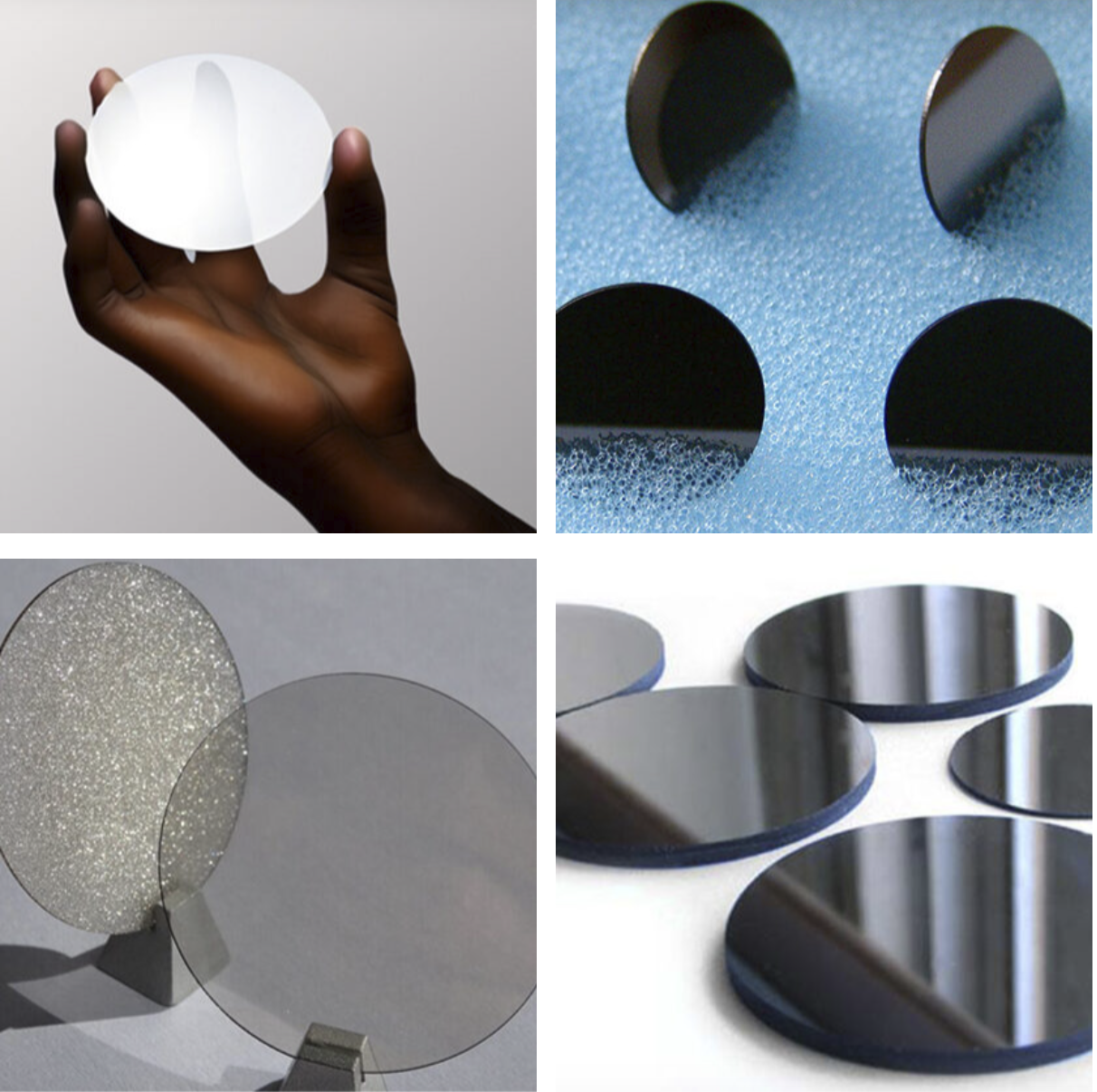
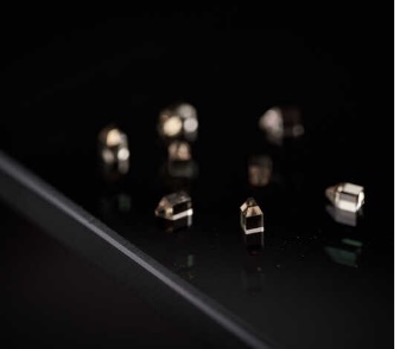
Mono Crystaline Mechanical Gradee
The exceptional hardness of Grown Diamonds and its very low coefficient of friction have inherent advantages in mechanical applications. It extends tool life, reduces downtime and drives down operating costs and carbon footprints. However, Grown Diamonds is much more than just extremely hard, it can also be manufactured to have an ultra-fine edge for extreme precision.
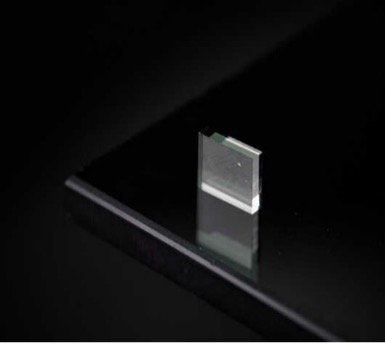
Poly Crystraline Optical Grade
Poly Crystalline Mechanical Grade
Electronic Grade
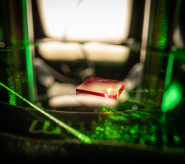
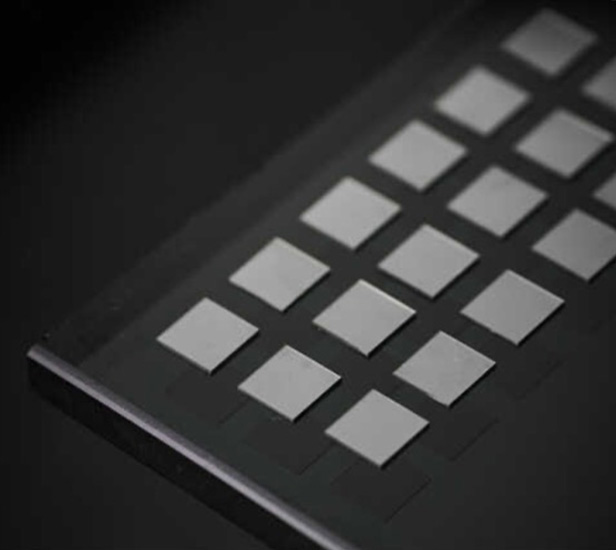
Electronic-grade CVD diamonds are highly pure synthetic diamonds made through the Chemical Vapor Deposition (CVD) process, specifically designed for advanced electronic applications. They exhibit exceptional properties such as low impurity levels, high thermal conductivity, electrical insulation, high breakdown voltage, and radiation resistance. These diamonds are ideal for high-performance applications in semiconductors, high-power electronics, quantum computing, and sensors. Though offering benefits like customizability and scalability over natural diamonds, challenges remain in cost and widespread commercial adoption. Their unique properties make them promising for next-generation electronic technologies.
Material Properties
- Boron Concentration [B] :<1 ppb
- Charge Collection Efficiency (CCE) :Typically >95%
- Charge Collection Distance (CCD) :Typically >475µm, @0.5 V µ/m applied field, for 500 µm plate
- Nitrogen Concentration :< 5 ppb
Thermal Management
Largest diamond windows available
Our business unit optical components is specialized in developing high-precision diamond products for the high-tech industry, based on your requirements. Our diamonds for optical elements are used in a wide variety of applications, for example ATR elements, detectors and windows for the process industry.
Our optical products can be delivered as free standing or mounted using glue or low/high temperature brazing into different kinds of metal holders depending on your application.
We manufacture these elements to the highest standards with tight tolerances and often they are tailor made, with a variety of production techniques. Working with us means that you will have indirect access to our knowledge, sharing ideas on future requirements and creating new opportunities to create a better competitive position.
Our range of optical products
ATR (Attenuated Total Reflection) Prisms (including Window-like type of ATR’s)
- Square / rectangular prisms
- Round / conical prisms
- Spherical prisms
Monocrystalline Diamond Conical Prism for ATR Applications
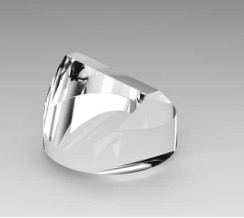
Revolutionize your process analytics in Chemical, Petrochemical, Atomic, Biopharmaceutical, Food industries and many more. Gain real-time insights with confidence. Crafted from monocrystalline diamond, this prism offers unrivaled transparency, hardness, chemical resistance and thermal conductivity, setting a new standard for durability and accuracy in in-situ spectroscopy in the UV, visible, near-IR, and mid-IR spectral range.
Windows
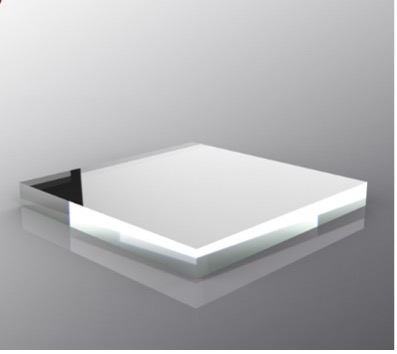
Our windows are polished to the highest industry standards. Using high-end white light interferometry we are able to perform superior surface characterization at micro- and nano-scale level. When requested, we’ll add a measurement report to the products ordered. Other shapes than a square are possible as well, such as rectangular and round shapes. Standard tolerances on our optical windows can be seen in the document below, but please feel free to ask us about the highest achievable tolerances to take your application to a higher level.
- Up to 30 mm
- Parallel or wedged (typical <2°)
- Round or rectangular
- Optionally bevelled
Diamond Lenses
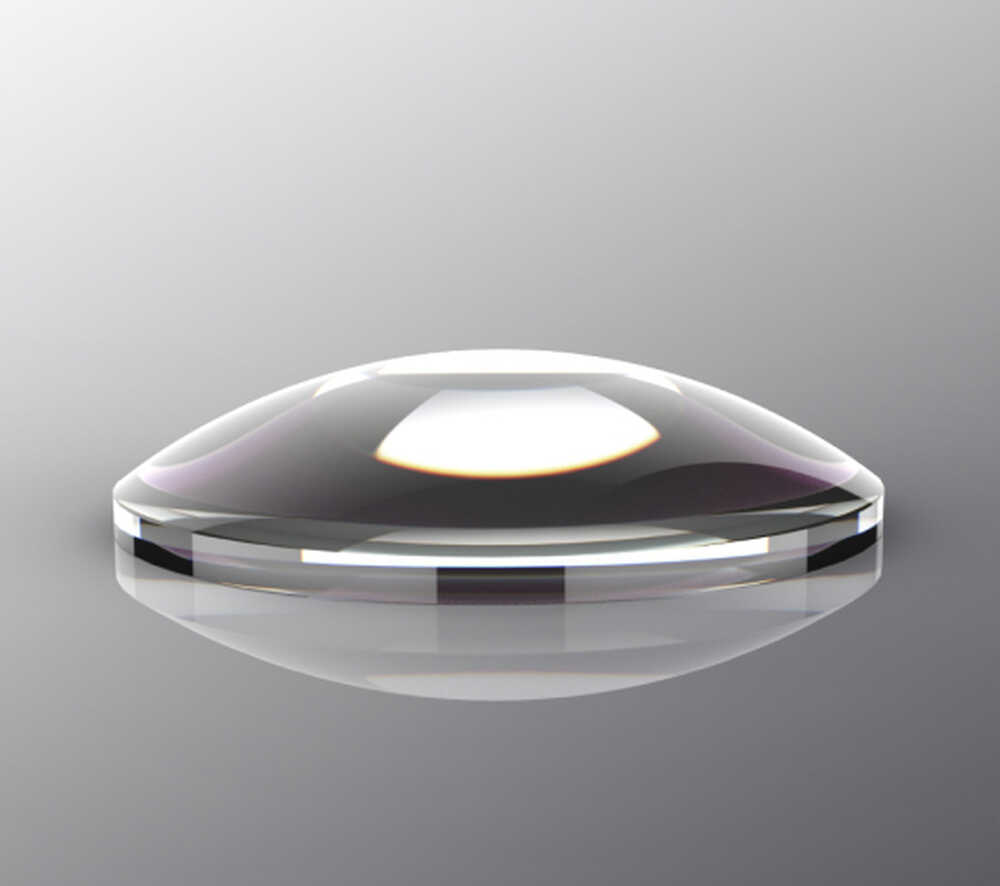
Lenses made out of single crystalline diamond can be applied in many different technologies due to their unique optical and thermal properties. Think of optical measurements in the infrared, ultraviolet, visible and X-ray ranges and terahertz spectroscopy.
The advantages are as following:
- Thermal conductivity 1400 times higher than of optical glass
- Low absorption
- Uniform index of refraction
- Extreme environments can be handled, as diamond is highly chemical resistant and has a great radiation and temperature stability
- High X-ray transmissivity
- Small angle reflections on defects and voids are minimized, preserving the X-ray beam quality
- Diameters between 1 – 30 mm
Spherical Anvils
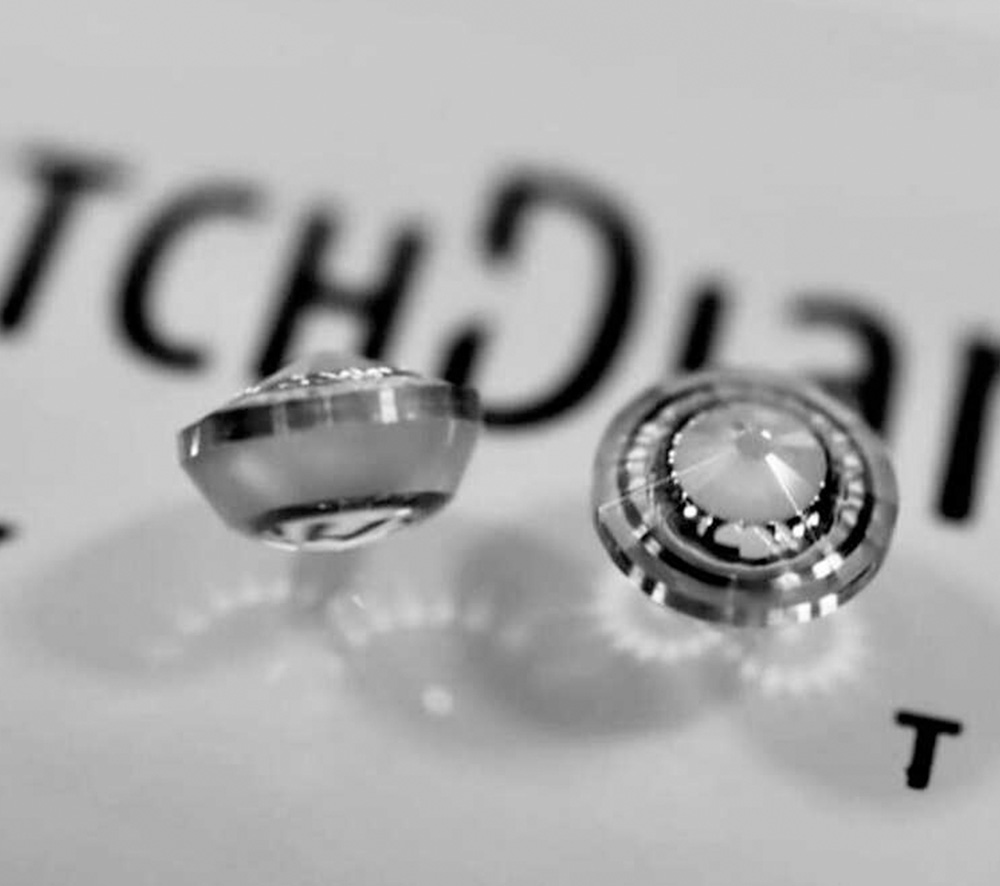
The use of spherical-anvils in diamond anvil cells (DAC) provides a number of advantages, which are unavailable with any of the hitherto known anvil designs. Our spherical anvils have a great potential for applications in different spectroscopies, including Raman,
IR and Brillouin.
The advantages are as following:
- Enlargement of ~2.4X of the image in a diamond anvil cell
- Improvement of resolution, as a spherical anvil works as a solid immersion lens
- The image is free of not only spherical aberration, but also from coma and astigmatism in a zone around the surface centre, making the alignment procedure easier
- Pressure measurement improved precision on a Raman signal from the centre of the culet of the diamond anvil
- In situ single crystal XRD experiments with laser heating can be realised with stationary laser-heating setups
- The angle of incidence of the incoming laser beam remains normal to this surface and focused on the sample, while the DAC is rotated during the XRD data collection
- The object observed through the anvil does coincidence with the object’s physical position along the optical axis, making the optical and X-ray aligment more simple and accurate. No refraction correction is needed once the sample is aligned to the optical focal point.
Mounted Prisms
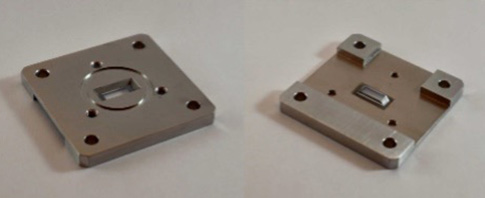
We annually produce thousands of mounted optical components for well-known OEMs. We have the instruments of our customers in house to do a 100% final check.